Showing posts with label Irish Philhellenes. Show all posts

14 November 2025

John Ponsonby, the Irish-born
diplomat who put an end to
the ‘Rhodes blood libel’ in 1840,
and his family links with Corfu

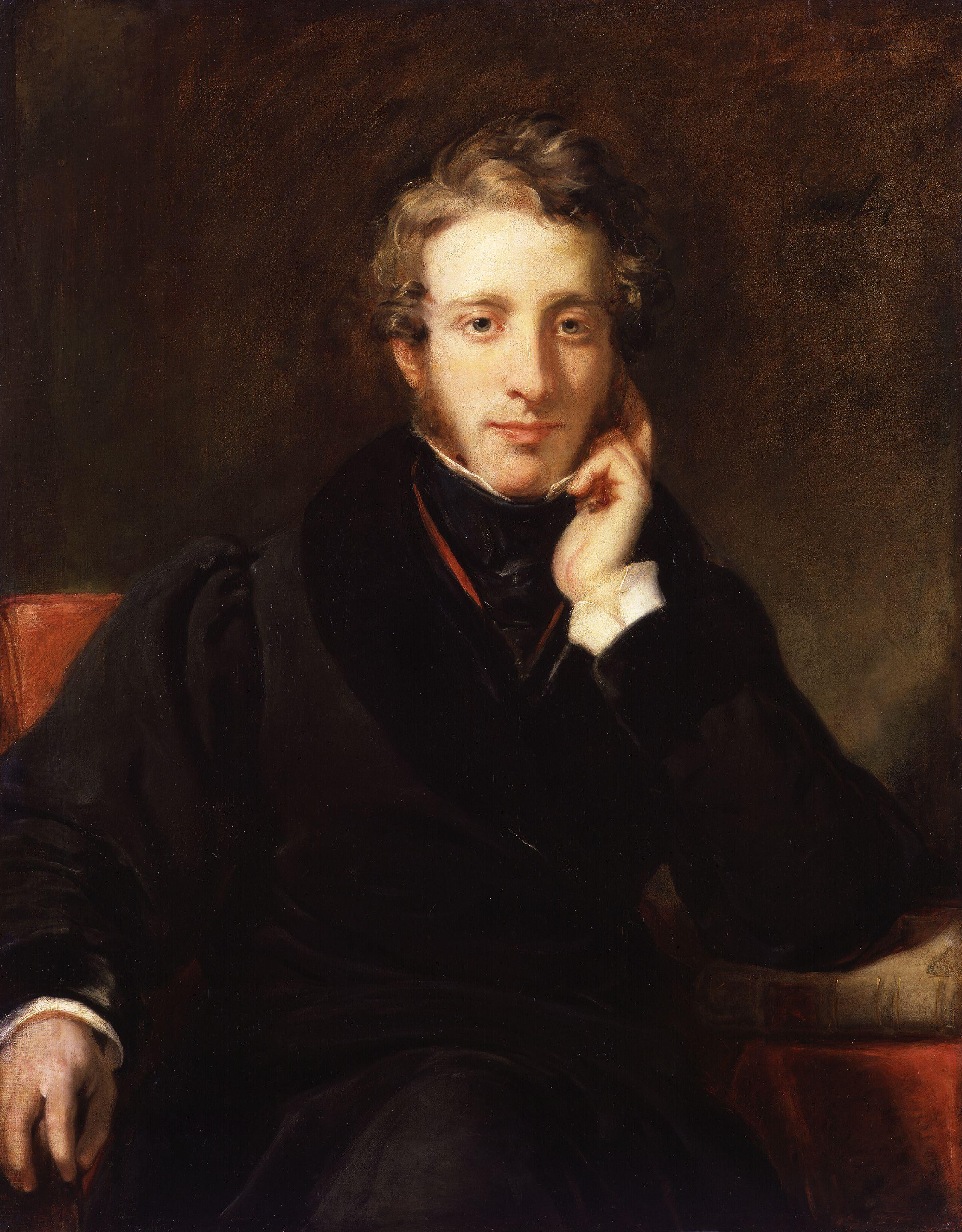
Lord Ponsonby … an Irish diplomat from Co Kilkenny who saved the besieged Jews of Rhodes in the mid-19th century

Patrick Comerford

I was writing last Friday (7 November 2025) about the Jewish community in Rhodes, how they suffered during the Holocaust, and how the Jewish quarter in Rhodes became the setting for the closing scenes in the film Escape to Athena (1979).

I have visited Rhodes half a dozen times or more. But during one visit Rhodes many years ago that was abandoned when a ferry I had booked never sailed, I came across the story of an Irish-born peer and diplomat, who was from a well-known Co Kilkenny family and a bishop’s brother, and how he saved the Jews of Rhodes from a violent outburst of prejudice 185 years ago.

It is a story about the Jewish community in Rhodes, but also has links with the island of Corfu and with many of the Irish Philhellenes, whose contribution to Greek history has been a subject of my research for many years.

In February 1840, the Jews of Rhodes were falsely accused of ritually murdering a Christian boy who had gone missing while walking alone. The incident became known as the ‘Rhodes blood libel’.

After the boy went missing on a walk, the Jews of Rhodes were accused of kidnapping and murdering him. A number of Jewish men were arrested, beaten and tortured and accused of taking Christian children captive for ritual sacrifice.

After the Jewish Quarter in the Old Town of Rhodes was besieged during Passover that year, the British Government decided to intervene on behalf of the Jewish community. The Foreign Secretary, Lord Palmerston, sent a dispatch on 5 May to the British ambassador in Constantinople, Lord Ponsonby, asking him to communicate the British concerns about events in Rhodes to the Ottoman government ‘officially and in writing’ and to ‘request … an immediate and strict inquiry to be made … especially into the allegation that these atrocities were committed at the instigation of the Christians and the European consuls.’

John Ponsonby (1770-1855) was an Irish-born diplomat from Bessborough, Co Kilkenny. As a young adult, he was visiting revolutionary France in 1791 when he was seized by a mob in Paris but, it is said, his youth and beauty saved him from being hanged as an aristocrate. He returned to Ireland, entered politics as a Whig and a supporter of Catholic Emancipation and an opponent of the Act of Union.

His father was the Speaker of the House of Commons in Grattan’s Parliament and with Henry Grattan was a founder of the Whig Club in Dublin in 1789. John Ponsonby was the MP for Tallow, Co Waterford (1793-1797), and Dungarvan, Co Waterford (1798-1801), in the years immediately before the Act of Union, and in Westminster for Galway City (1801-1802) after the Act of Union.

At the time of the blood libel allegations against the Jews of Rhodes, one of Ponsonby’s brothers, Richard Ponsonby (1772-1853), was Bishop of Derry (1831-1853) and he had previously been Bishop of Killaloe (1828-1831) and Dean of Saint Patrick’s Cathedral, Dublin.

His other siblings included Major-General Sir William Ponsonby (1772-1815), who was killed at the Battle of Waterloo in 1815 and the Hon Mary Ponsonby (1776-181), who married the Prime Minister, Charles Grey (1764-1845), 2nd Earl Grey.

John Ponsonby succeeded to his father’s estate and title as Baron Ponsonby when his father died on 5 November 1806. He was based in Corfu from 1818, when he held an appointment in the Ionian Islands from 1818. The Secretary to the Senate of the Ionian Islands at the time was Sir George Ferguson Bowen (1821-1899), from Taughboyne (Churchtown), near Lifford, Co Donegal.

The Treaty of Paris in 1815 had turned the Ionian islands, including Corfu, into the United States of the Ionian Islands under British protection, and the islands were given a new constitution under British rule in 1817. The islanders elected an Assembly of 40 members, who advised the British High Commissioner.

Four other Irish-born politicians and administrators who played key roles in shaping 19th century political life in Corfu: Sir Richard Church (1784-1873) from Cork; Sir Charles Napier (1782-1853) from Celbridge, Co Kildare; George Nugent-Grenville (1789-1850) from Co Westmeath, 2nd Baron Nugent of Carlanstown; and Sir John Young (1807-1876) from Bailieborough, Co Cavan, later Lord Lisgar.

British rule continued until the islands were united with Greece in 1862, and the British legacy in Corfu has been described as afternoon tea and cricket. But Ponsonby’s papers provide little evidence of his activities there or indeed of any aspect of his career before the 1820s.

The Palace of Saint Michael and Saint George, Corfu … the centre of British rule in Corfu until 1862 (Photograph: Patrick Comerford)

Back in London, King George IV was jealous of Ponsonby and the attention he was receiving from the king’s mistress, Lady Coyngham. And so, Ponsonby was sent abroad once again, holding diplomatic posts in Argentina (1826-1828), Brazil (1828-1829), Belgium (1830-1831) and Naples (1832).

Ponsonby was sent to Constantinople as the British ambassador in 1832, and a year before the crisis in Rhodes he was given the peerage title of Viscount Ponsonby of Imokilly, Co Cork, on 20 April 1839.

Ponsonby’s immediate response to Palmerston’s instructions on the ‘Rhodes blood libel’ created a consensus within the European diplomatic corps in Constantinople that the persecution of the Jews of Rhodes had to cease. Emboldened, Ponsonby, who was by far the most powerful diplomat in Constantinople, intervened with the Ottoman court on behalf of the Jews of Rhodes.

An Ottoman inquiry cleared the Jewish population of all the accusations. The Turkish governor of Rhodes, Yusuf Pasha, was dismissed for not having upheld the law, and Ponsonby praised the investigation as one during which the ‘affair of Rhodes was examined with fairness’. He called the verdict ‘a signal proof of the justice and humanity with which the Sublime Porte acts.’

Ponsonby had married Lady Frances Villiers, seventh daughter of George Villiers, 4th Earl of Jersey, in 1803. They had no children and she died in London on 14 April 1866. John Ponsonby died in Brighton on 21 February 1855, and he is buried in Kensal Green Cemetery, London.

The Seahorse Fountain in the Square of the Jewish Martyrs in the walled city of Rhodes (Photograph: Square, Nadezhda Bogatyryova/Wikimapia)

But there was another family connection with the Greek islands and the Irish Philhellenes. John Ponsonby was a near contemporary and a second cousin of Major-General Sir Frederick Cavendish Ponsonby (1783-1837) who was also involved in British rule in Corfu.

Sir Frederick Ponsonby was a son of Frederick Ponsonby (1758-1844), 3rd Earl of Bessborough, and a brother of the famed or notorious Lady Caroline Lamb. Ponsonby was severely wounded at the Battle of Waterloo. Ponsonby was appointed inspecting field officer in the Ionian Islands on 20 January 1824, and he was promoted major-general on 27 May 1825, commanding the British troops in the Ionian Islands. He left Corfu at the end of 1826 when he was appointed Governor of Malta.

During his time in the Ionian Islands, his son, the future Major-General Sir Henry Frederick Ponsonby (1825-1895) was born in Corfu on 10 December 1825 and was baptised there. He later became Queen Victoria’s Private Secretary.

As for Bessborough House, near Piltown, Co Kilkenny, the home of the Ponsonby family for generations and that gave them their family title, it became a seminary or theological college for the Oblate fathers in the 1940s. They sold it to the Department of Agriculture in 1971, and it since 1980 it has been Kildalton Agricultural College.

The British legacy is Corfu is said to be afternoon tea and cricket (Photograph: Patrick Comerford)

12 October 2025

Saint Katherine’s, a Greek Orthodox
community in Friern Barnet and how
it has found new life in an old church

Saint Katherine’s Church, the Greek Orthodox Church in Friern Barnet, is surrounded by a large wooded churchyard (Photograph: Patrick Comerford, 2025)

Patrick Comerford

I spent a day recently visiting Saint Katherine’s Church, the Greek Orthodox Church in Friern Barnet, where the parish priest, Archimandrite Damianos Konstantinou Introduced me to the church and the area around Friern Barnet, Finchley, Mill Hill and Golder’s Green. His parish has a large population of Greek Cypriots and Greek-speaking families.

Father Damian and I were introduced through a number of mutual friends, including the writer Richar Pine, a regular contributor to The Irish Times and founder of the Durrell School of Corfu, where I lectured in 2006, Euthymius Petrou in Athens and Father Gregory Wellington of the Greek Orthodox Church in Stony Stratford.

Over the day, our conversations ranged across a vast range of shared interests, from Sir Richard Church, Sir Charles Napier and the Irish Philhellenes and the folk music of Zakynthos to Epitaphios processions in Corfu, from the current crisis at Saint Katherine’s Monastery on Mount Sinai and the plight of the Greek Orthodox Patriarchate in Jerusalem, to Italian opera, the songs of Maria Farandouri and modern Greek poetry.

Inside Saint Katherine’s Church, facing towards the iconostasis, the altar and the east end (Photograph: Patrick Comerford, 2025)

Saint Katherine’s Greek Orthodox Church is picturesque country church in Friern Park that dates from 1853 and that was originally known as Saint James’s Church. The church stands on the corner of Friern Barnet Lane and Friary Road, on the main north-south road through the village. The church is surrounded by 20th century housing but retains its large wooded churchyard.

Friern Barnet was once a small, rural parish seven miles north of London. Its original name, Little Barnet, distinguished it from the larger part of Barnet that was in Hertfordshire.

The story of this church goes back 800 years to a time when there was a friary in the area serving pilgrims on their way to and from St Albans. The manor later called Friern Barnet or Whetstone seems to have been held by St Albans Abbey before the Conquest, but it was taken from that abbey by William I and apparently given to the Bishop of London.

Inside Saint Katherine’s Church, facing the west end from the iconostasis and the altar at the east end (Photograph: Patrick Comerford, 2025)

A church was first mentioned in 1187, probably Saint James’s. By the late 12th century, the lands in Barnet were held by John Picot from the Bishop of London. By 1199, Bishop Gilbert Foliot or his successor Richard FitzNeal had given these lands to the Knights Hospitaller, following Picot’s surrender of them.

The name of Friern Barnet did not appear before 1294 and reflected the lordship of the Brotherhood of the Knights Hospitaller.

With the dissolution of the monastic houses and the Hospitallers in 1540 the manor of Friern Barnet passed to the Crown and then to Saint Paul’s Cathedral.

The 12th century Romanesque south doorway was restored and reset by the Habershon brothers (Photograph: Patrick Comerford, 2025)

The original Norman church was a simple one with of a nave and chancel with a south porch and a wooden west tower. The church today consists of a chancel with a north vestry, a nave with south aisle, a porch and a tower with a shingled spire at the south-west. The exterior is of flint, with stone dressings. The Friern Barnet Parishioners War Memorial stands in the churchyard.

Today’s church owes its appearance to a major restoration and enlargement in 1853 by the brothers William Habershon (1819-1892) and Edward Habershon (1826-1900). The Habershon brothers specialised in neo-gothic buildings, especially churches and chapels. They increased the seating capacity of the church from 200 to 500 and reset the 12th century Romanesque south doorway – although it is heavily restored, many of the original stones survive.

The 1853 tower collapsed in 1930 and was rebuilt on the same plan.

An octagonal parish room, the Jubilee Hall, was added on the north side of the nave in 1977, and it is reached through the church by the north nave doorway.

The Jubilee Hall, an octagonal parish room, was added on the north side of the church in 1977 (Photograph: Patrick Comerford, 2025)

Saint John the Evangelist Church on Friern Barnet Lane was built in 1910 as a chapel-of-ease to Saint James’s, which was no longer large enough for the expanding population.

Saint James’s continued to serve the parish until 2009, when Church of England services for Friern Barnet were transferred to Saint John’s Church on Friern Barnet Road and Saint James’s was leased to the local Greek Orthodox community, who renamed it Saint Katherine’s Church.

Saint Katherine’s Greek Orthodox Community was formally established in 1985, mainly through the efforts and energy of Katina Antoniou. Father Nicodemos Velalopoulos was the first priest, and services were held in a number of local Anglican churches until the parish found space in All Saints’ Church, Whetstone, in 1986.

A large and Greek and Greek Cypriot community have been based in Hendon since the 1960s, with a church and under the leadership of Bishop Aristarchos of Zenoupolis, and later served by Father Andrew Panayiotou from 1986.

An icon of Saint Katherine of Alexandria in Saint Katherine’s Church, Friern Barnet (Photograph: Patrick Comerford, 2025)

Six years after the church was founded, it moved in 1992 to Saint Mark’s Church in New Barnet. Father Damian, the Very Revd Archimandrite Damianos Konstantinou, was appointed priest-in-charge of the church 30 years ago in October 1995.

After studying journalism in Athens, he went to Saint Catherine’s Monastery on Mount Sinai, and was ordained in Jerusalem, where he served for 11 years in the Patriarchate, and has been a chaplain in the Greek army.

He has also studied theology in Athens, Italian language and culture in Perugia, and teacher training in Nottingham, and he has an MA in Religion and Politics from Saint Mary’s University, London. He has served the Greek Orthodox community in Aylesbury, and was chaplain to the Mayor of Barnet, Pantelitsa Rutte, in 2011-2012. He has a particular interest in the Irish Philhellenes, with a yearning to correct the name of the street in Athens named after Sir Richard Church from Cork.

Saint Katherine’s found a new home at Saint James the Great Church, Friern Barnet, in 2009 (Photograph: Patrick Comerford, 2025)

Although at first his church services in the new parish were few, there were several community events and significant visits by Archbishop Damianos of Sinai in June 1996 and the late Patriarch Petros of Alexandria in September 1997. The choir of Saint George Karytsis Church in Athens visited in 2000, and sang at the feast day of Saint Catherine and at a millennium concert.

A plan to build a new church in 2004 was never realised. However, Saint Katherine’s found a new home in 2009 at Saint James the Great Church at Friern Barnet Lane. The congregation soon tripled in number and the Jubilee Hall began to host many events.

The hall was upgraded, and work on the church included repairs to the masonry, landscaping, roof cleaning, maintenance of the bell tower and other improvements.

The flame passed outside the church as it was carried through London on 26 July 2012, when the road was bedecked with Greek flags. This was followed by an Olympic Concert in the church.

Father Gregory Wellington was ordained deacon for the church in 2011 and priest in January 2014. He was there as deacon in 2011-2014 and as assistant priest in 2014-2023.

The church had a major renovation at the end of 2016 (Photograph: Patrick Comerford, 2025)

During a major renovation of the church from September 2016, the church found alternative accommodation for three months in All Saints’ Church, Whetstone.

More recently, the church was renovated internally, new lighting was installed along with new electrical installations, flooring and painting, all signs of hope for and an investment in the future of Saint Katherine’s.

When I visited Saint Katherine’s last Tuesday, the south porch was decorated joyfully with flags from Greece, Cyprus, Albania, Romania, the UK and other countries, representing the cultural diversity found in this Orthodox community.

Matins and the Divine Liturgy are celebrated in Saint Katherine’s Church, Friern Barnet, from 9:30 am on Sundays (Photograph: Patrick Comerford, 2025)

• The services at Saint Katherine’s Church include Matins and Divine Liturgy on Sundays (9:30 am to 12 noon), on weekdays (9:30 to 11:15 am) and Vespers (Summer 7 pm, Winter 6 pm), with other services according to the Church calendar.

With Archimandrite Damianos Konstantinou (Father Damian) in Saint Katherine’s Church (Photograph: Patrick Comerford, 2025)

05 April 2023

Ο Sir Richard Church
και οι Ιρλανδοι Φιλελληνες
στον Πολεμο των Ελληνων
για την Ανεξαρτησια

Patrick Comerford

Εισαγωγή

Σε πολλούς είναι γνωστοί οι Φιλέλληνες – οι ξένοι εκείνοι, που αφιέρωσαν τη ζωή τους στην Ελλάδα στις αρχές του 19ου αιώνα. Αλλά λίγοι έχουν υπόψη τους τούς πολλούς Ιρλανδούς που αγωνίσθηκαν στον πόλεμο για την Ελληνική Ανεξαρτησία, ή για τους ρόλους των ως Φιλελλήνων. Διαβάζοντας πολλούς Βρετανούς ιστορικούς συγγραφείς (Βλ. Dakin, 1955 και 1972, Woodhouse, 1969 και St Clair, 1972), είναι εύκολο να πιστέψει κάποιος ότι όλοι οι φιλέλληνες ήταν Βρετανοί ρομαντικοί, από τους οποίους ο πλέον ευγενής και ενθουσιώδης ήταν ο Λόρδος Byron. Ίσως να υπήρξαν μερικοί Αμερικανοί, αλλά οι Γάλλοι ανάμεσά τους εμφανίζονταν ως απατεώνες και κατεργάρηδες, και άλλες εθνότητες, ιδίως οι Ρώσοι, ως ευαισθητοποιημένοι. Αυτή η κατηγοριοποίηση ήταν τόσο αγγλο-κεντρική που, τόσο ο Μπάιρον όσο και ο εκκεντρικός Λόρδος Κόχραν, δεν είναι πλέον Σκωτσέζοι αλλά τιμημένοι Άγγλοι. Το ίδιο και με τους Ιρλανδούς φιλέλληνες, ιδιαίτερα με τον Sir Richard Church (εφεξής: Τσωρτζ) από το Cork: Μία αναμνηστική πλάκα στην Αγγλικανική Εκκλησία του Αποστόλου Παύλου στην Αθήνα αναφέρει ότι ο Τσωρτζ κέρδισε την αγάπη του ελληνικού λαού «για τον ίδιο και για την Αγγλία».

Όμως ο Τσωρτζ ήταν ο κυριότερος Ιρλανδός φιλέλληνας, και τον περιέγραψαν κάποτε ως τον «αρχοντάνθρωπο όλων των αληθινών φιλελλήνων» (Woodhouse, 1969, σ. 157). Και υπήρχαν πολλοί περισσότεροι Ιρλανδοί ήρωες που κατατάχθηκαν σε εκείνες τις τάξεις.

Οι πρώτοι Ιρλανδοί Φιλέλληνες

Οι ναπολεόντειοι πόλεμοι στις αρχές του 19ου αιώνα, και η κατάληψη των Ιόνιων Νησιών έφεραν τους πρώτους μελλοντικούς Ιρλανδούς φιλέλληνες στην Ελλάδα, συμπεριλαμ-βανομένου του Sir Hudson Lowe (1769-1844) από το Galway. Τον θυμούμαστε συχνά ως δεσμοφύλακα του Ναπολέοντα, αλλά η εκστρατεία του για την κατάργηση της δουλείας έχει λησμονηθεί. Ήταν ο δεύτερος τη τάξει αρχηγός κατά την εκστρατεία για την κατάληψη των Ιόνιων Νησιών, ήταν παρών στην κατάληψη της Κεφαλληνίας, της Ιθάκης και της Λευκάδας, και αργότερα σχημάτισε μια προσωρινή διοίκηση για τα νησιά αυτά. Ο ελληνικός λαός τον εκτίμησε τόσο πολύ, που όταν αυτός απρόθυμα αποχώρησε του.

Ο Lowe συνοδευόταν από τον Richard Church (1784-1873), ο οποίος γεννήθηκε από μια διακεκριμένη οικογένεια Κουακέρων εμπόρων στο Cork. Όταν τα παράτησε όλα για να καταταγεί στον στρατό, προκάλεσε όνειδος στους Κουακέρους γονείς του που αποκηρύχθηκαν ή αφορίσθηκαν για την εξαγορά του αξιώματός του γιού τους. Ως 16χρονος δόκιμος το 1800, επισκέφθηκε την Ελλάδα για πρώτη φορά και έγραψε στους δικούς του: «Οι Έλληνες, που είναι σκλάβοι στους Τούρκους και είναι Χριστιανοί, … είναι λαός γενναίος, έντιμος, ανοιχτός και γενναιόδωρος, και συνεχώς μάς χαρίζουν φρούτα» (Ferriman, 1917, 112· Woodhouse, 1969, 20). Μετά την κατάληψη των Ιόνιων Νησιών από τους Βρετανούς το 1809, ο Τσωρτζ γρήγορα συγκρότησε ένα ελληνικό σύνταγμα ελαφρού Πεζικού και εντός έξι εβδομάδων ανάμειξε τις ελληνικές δυνάμεις στον αγώνα. Διεξήγαγε την απόβαση στη Ζάκυνθο, και συνέχισε να διακρίνεται στην κατάληψη της Ιθάκης και της Κέρκυρας.

Όταν τοποθετήθηκε στη Ζάκυνθο, ο Τσωρτζ άρχισε να παρέχει στρατιωτική εκπαίδευση στους Έλληνες, συμπεριλαμβανομένου του Θεοδώρου Κολοκοτρώνη, ο οποίος πολέμησε και διακρίθηκε κοντά στον Τσωρτζ και τον Lowe στη Λευκάδα και έγινε λοχαγός στο νέο σύνταγμα. Όταν ο Τσωρτζ υπέστη συντριπτικό κάταγμα στον βραχίονα. κατά την επίθεση εναντίον των επάλξεων, έφυγε με αναρρωτική άδεια, επισκέφθηκε την Αθήνα και, ταξιδεύοντας δια μέσου της Βορείου Ελλάδος, ενημέρωσε τη Βρετανική Πρεσβεία στην Κωνσταντινούπολη. Κατά την επιστροφή του στη Ζάκυνθο, στρατολόγησε περισσότερους Έλληνες, και σύντομα ανέφερε ότι 6.000 έως 8.000 Έλληνες θα μπορούσαν να είχαν στρατολογηθεί· τόσο ενθουσιώδες ήταν το ενδιαφέρον τους. Ένας Έλληνας αρχηγός υποσχέθηκε ότι, εάν ο Τσωρτζ μπορούσε να εκπαιδεύσει τους άνδρες του, θα κέρδιζαν γι’ αυτόν τη φήμη του Μιλτιάδη, του Λεωνίδα και του Θεμιστοκλή. Το 1812 ο Τσωρτζ πήγε στο Λονδίνο και ζήτησε άδεια να συγκροτήσει ένα δεύτερο σύνταγμα. Κατά την αναχώρησή του τού προσφέρθηκε μνημόνιο που τον περιέγραφε ως «ένδοξο αρχηγό» και άλλο ένα που ζητούσε βρετανική βοήθεια για την απελευθέρωση της Ελλάδας. Αλλά αν και ο Τσωρτζ είχε ανέλθει στον βαθμό του αντισυνταγματάρχη και του είχε δοθεί έγκριση να συγκροτήσει ένα δεύτερο σύνταγμα Ελλήνων, δεν κέρδισε την πολιτική υποστήριξη για την οποία είχε ελπίσει. Κατά την επιστροφή του στη Ζάκυνθο, έμεινε στη Βιέννη με τον κόμιτα Laval Nugent (1777-1862) από την κομιτεία Wicklow, στρατάρχη στον στρατό των Αψβούργων και εφ’ όρου ζωής υποστηρικτή της ελληνικής υπόθεσης.

Τα ελληνικά στρατεύματα του Τσωρτζ κατέλαβαν τους Παξούς και την πόλη της Πάργας στην ξηρά. Αργότερα έφυγε από τη Ζάκυνθο για τη Νάπολη, όπου βοήθησε στις διαπραγματεύσεις για την παράδοση της Κέρκυρας. Ως τότε ήταν, σύμφωνα με τα λόγια του St Clair, «περισσότερο Έλληνας από τους Έλληνες» (St Clair, 1972, 320). Αγωνίσθηκε παρασκηνιακά χωρίς επιτυχία στο Συνέδριο της Βιέννης για ένα ανεξάρτητο, κυρίαρχο ελληνικό Κράτος. Αντί αυτού, τον διέταξαν να διαλύσει τα ελληνικά συντάγματά του, τα Ιόνια Νησιά έγιναν βρετανικό τσιφλίκι και, με μια πράξη απατηλής προδοσίας, η Πάργα πουλήθηκε στον Αλή Πασά. Απογοητευμένος, o Τσωρτζ έφυγε από την Ελλάδα για στρατιωτική σταδιοδρομία που τον έφερε στην Αυστρία και στην Ιταλία.

Οι Ιρλανδοί Φιλέλληνες συμμετέχουν στον αγώνα

Στο μεταξύ, ένα νέο κύμα Ιρλανδών ριζοσπαστών ανέπτυξε ενδιαφέρον για την Ελλάδα, συμπεριλαμβα-νομένου του Edward Blaquière (+1832), ενός ρομαντικού Δουβλινέζου ναυτικού με καταγωγή από Ουγενότους, του Charles James Napier (1782-1853), από το Celbridge της κομιτείας Kildare, που ήταν πρώτος εξάδελφος του Λόρδου Edward FitzGerald. Ο Μπλακιέρ ήρθε για πρώτη φορά σε επαφή με τους Έλληνες επαναστάτες, όταν γνωρίστηκε με τον Ιωάννη Λουριώτη, ο οποίος έκανε έρανο στην Ισπανία και την Πορτογαλία. Η υπόδειξή του ότι το Λονδίνο ήταν καλύτερο μέρος για έρανο χρημάτων, οδήγησε στον σχηματισμό του Ελληνικού Κομιτάτου του Λονδίνου, που έπαιξε σημαντικό ρόλο για την ελληνική υπόθεση. Στους πρώτους Ιρλανδούς που ήταν μέλη της επιτροπής αυτής συμπεριλαμβανόταν ο ποιητής Thomas Moore και ο μελλοντικός Κυβερνήτης των Ιόνιων Νησιών, ο Λόρδος Νugent.

Ο Μπλακιέρ σύντομα κατευθύνθηκε προς την Ελλάδα, σταματώντας στη Γένοβα για να επισκεφθεί τον Μπάιρον, ο οποίος σχεδίαζε να ταξιδέψει στη Λατινική Αμερική. Ο Μπλακιέρ τον έπεισε να επιστρέψει στην Ελλάδα, συμβουλεύοντάς τον να πάει πρώτα στη Ζάκυνθο. Αντίθετα, ο Μπάιρον πήγε με πλοίο στην Κεφαλληνία, όπου Βρετανός κυβερνήτης ή διοικητής ήταν ο Νάπιερ από το Celbridge. Ο Μπάιρον αρχικά έμεινε ως φιλοξενούμενος του Νάπιερ, ο οποίος αργότερα του βρήκε μια βίλα στα Μεταξάτα, νότια από το Αργοστόλι. Εκεί ο Μπάιρον έγραψε: «Ο συνταγματάρχης Νάπιερ και εγώ είμαστε αποφασισμένοι για την υπόθεση της Ελλάδας όσο οποιοσδήποτε άλλος» (Woodhouse, 1969, 102). Μεταξύ των φίλων του Μπάιρον στα Μεταξάτα ήταν ο Ιρλανδός γιατρός τού συντάγματος James Kennedy, ο οποίος τον δίδαξε Νέα Ελληνικά, και μεταξύ των φιλελλήνων που επισκέφθηκαν τον Mπάιρον εκεί ήταν ο δημοσιογράφος από το Μπέλφαστ James Emerson (1804-1869).

Ο Νάπιερ, αντιμετωπίζοντας συνεχή αντίδραση από τους Βρετανούς αξιωματούχους στην Κέρκυρα, ανησυχούσε ότι η παρουσία του Μπάιρον και των επισκεπτών του απειλούσαν την ίδια του τη θέση. Ο Μπάιρον έφυγε από την Κεφαλληνία στις 30 Δεκεμβρίου του 1823 και έφθασε στο Μεσολόγγι στις 5 Ιανουαρίου του 1824, ελπίζοντας ότι σύντομα θα συντροφευόταν από τον Νάπιερ που θα ήταν αρχιστράτηγος του ελληνικού στρατού. Αλλά ο Μπάιρον πέθανε εκεί την Κυριακή του Πάσχα, στις 18 Απριλίου του 1824. Την προηγούμενη ημέρα είχε πει: «Θα ήθελα ο Νάπιερ και ο Χόμπχαουζ να ήταν εδώ, θα διευθετούσαμε σύντομα την υπόθεση αυτή». Τρεις μέρες μετά τον θάνατο του Μπάιρον, ο Μπλακιέρ επέστρεψε στη Ζάκυνθο μεταφέροντας την πρώτη δόση του βρετανικού δανείου. Εντός ολίγων ημερών, το φέρετρο του Μπάιρον άρχισε το ταξίδι του της επιστροφής στην Αγγλία επί του καταστρώματος του πλοίου Florida, αυτού που έφερε τον Μπλακιέρ στην Ελλάδα. Ο Μπλακιέρ τώρα προσπάθησε να στρατολογήσει είτε τον φίλο τού Τσωρτζ, τον κόμιτα Laval Nugent, είτε τον Νάπιερ, ως διοικητή του στρατού.

Ο Νάπιερ είχε φθάσει για πρώτη φορά στα Ιόνια Νησιά το 1819. Σε μια εμπιστευτική αποστολή από την Κέρκυρα στον Αλή Πασά, προσηλυτίσθηκε στην ελληνική υπόθεση και όταν ο πόλεμος της ανεξαρτησίας άρχισε στις 25 Μαρτίου 1821, αυτός άρχισε να παρέχει στρατιωτικές πληροφορίες στους Έλληνες και να δημοσιεύει φυλλάδια στα Αγγλικά, υποστηρίζοντας τον αγώνα. Παρά την εκτίμηση που είχε ως ριζοσπαστικός και φιλέλληνας, ο Νάπιερ διορίστηκε Βρετανός διοικητής της Κεφαλληνίας, όπου υπήρξε «φωτισμένος δεσπότης», κατασκεύασε δρόμους, γέφυρες και δημόσια κτίρια, βοηθούμενος από τον Διευθυντή Δημοσίων Έργων John Pitt Kennedy (1796-1879), γιο ενός ιερωμένου της Εκκλησίας της Ιρλανδίας από το Carndonagh, της κομιτείας Donegal.

Ο Νάπιερ και ο Κέννεντυ ανήγειραν τον κομψό, κυκλικό δωρικό φάρο στον Άγιο Θεόδωρο, μαζί με αγορές, προκυμαία, αποβάθρες, δικαστήρια, φυλακές, νοσοκομεία και σχολεία. Αυτοί άνοιξαν δρόμους στο άλλοτε αδιαπέραστο νησί, δίκτυο δρόμων και γεφυρών, άπλωσαν φαρδείς δρόμους και πλατείες στο Αργοστόλι και στο Ληξούρι, έκαναν μια δεντροφυτεμένη λεωφόρο προς το Μοναστήρι του Αγίου Γερασίμου. Ο Νάπιερ επίσης κατάργησε τα φεουδαρχικά προνόμια της αριστοκρατίας του νησιού, θέτοντας τη γεωργία σε στέρεες βάσεις. Ο John Αugustus Tool (περ. 1792-1829), ο οποίος ήρθε στην Κεφαλληνία ως μέλος του επιτελείου του Νάπιερ, εργάσθηκε στενά με τον Κέννεντυ για την κατασκευή δρόμων και γεφυρών. Ως τον χειμώνα 1826-1827 ήταν μεταξύ των υποστηρικτών του Καποδίστρια πού οργάνωναν τις δραστηριότητές τους στην Κέρκυρα κάτω από την κάλυψη μιας φιλανθρωπικής επιτροπής.

Ο χρόνος που πέρασε ο Νάπιερ στην Κεφαλληνία «ήταν ίσως ο ευτυχέστερος της ζωής του» (Dictionary of National Biography, xiv, 46). Εκεί ερωτεύθηκε μια Ελληνίδα, την Αναστασία, η οποία έγινε μητέρα των δύο θυγατέρων του. Πολύ αργότερα μετά τον θάνατο τού Μπάιρον, ο Νάπιερ συνέχισε να ελπίζει ότι θα γινόταν αρχιστράτηγος των ελληνικών δυνάμεων, ελπίδες που έτρεφαν και οι φίλοι του μεταξύ της ελληνικής ηγεσίας, συμπεριλαμβανομένου του Καποδίστρια και του Μαυροκορδάτου. Αλλά ο διορισμός δεν ήρθε ποτέ και ο Μπλακιέρ και ο Κολοκοτρώνης, που στράφηκαν πρώτα προς τον Laval Nugent, προσέφεραν μετά τη διοίκηση στον Τσωρτζ. Ο Νάπιερ τελικά έφυγε από την Κεφαλληνία, αφήνοντας πίσω τις γεννημένες στην Ελλάδα θυγατέρες του. Επέστρεφε κάποτε-κάποτε στην Ιρλανδία και επισκεπτόταν τον φίλο του Κέννεντυ στο Glasnevin, αλλά τελικά έγινε γνωστός ως ο Κατακτητής του Sind στην Ινδία.

Ο Τσωρτζ επιστρέφει στην Ελλάδα

Όταν ξέσπασε ο πόλεμος της Ανεξαρτησίας το 1821, ο Tσωρτζ εξέφρασε την ελπίδα ότι θα μπορούσε να αναμειχθεί για μια φορά ακόμα στην ελληνική υπόθεση. Ο Μπλακιέρ εργάσθηκε σκληρά πολιτικά για να προσκληθεί ο Τσωρτζ στην Ελλάδα και να ηγηθεί των ενόπλων δυνάμεων, αλλά ενώ αυτός περίμενε στη Ζάκυνθο για την επιστροφή του Tσωρτζ, οι ελπίδες του αποδείχθηκαν μάταιες. Δύο εβδομάδες μετά τον γάμο του Τσωρτζ με την Ελίζαμπεθ Αυγούστα Wilmot, κουνιάδα του κόμιτα του Kenmare, μακρινή συγγενή εξ αγχιστείας του Μπάιρον, και δύο εβδομάδες μετά την πτώση των Αθηνών στους Τούρκους, η ελληνική κυβέρνηση τελικά προσκάλεσε τον Τσωρτζ να αναλάβει τη διοίκηση.

Κατά την περίοδο αυτή της αναμονής, ο παλαιός φίλος του ο Κολοκοτρώνης είχε γράψει στον Τσωρτζ και τον ρωτούσε:

Τί κάνεις; Πού βρίσκεσαι; Η ψυχή μου δεν λείπει ποτέ από σένα. – Εμείς, οι παλαιοί συμπολεμισταί σου... πολεμούμε για τη χώρα μας – την Ελλάδα που είναι τόσο αγαπητή σε σένα! – ώστε να μπορέσουμε να αποκτήσουμε τα δικαιώματά μας ως άνθρωποι και ως λαός και την ελευθερία μας ! – Πώς μπόρεσε η ψυχή σου να αφήσει εσένα να παραμείνεις μακριά από εμάς, και να σε κρατήσει από το να πολεμήσεις μαζί μας; Σε περίμενα εδώ μπροστά σε άλλους Φιλέλληνες… Έλα! Έλα! και φέρε όπλα στην Ελλάδα ή βοήθησέ την με τα ταλέντα σου, τις αρετές σου και τις ικανότητές σου, ώστε να ζητήσεις την αιώνια ευγνωμοσύνη της...» (Dakin, 1955, 137, 141-142· St Clair, 1972, 321).

Εν τούτοις, όταν έμαθε για τις διενέξεις στην ελληνική κυβέρνηση, o Τσωρτζ εγκατέλειψε τα σχέδιά του να πλεύσει στα Ιόνια Νησιά και επέστρεψε στην Αγγλία με την ελπίδα να κάνει προσωπική έκκληση στον Canning εκ μέρους της Ελλάδος. Ο Μπλακιέρ έμενε στη Ζάκυνθο αναμένοντας την άφιξη του Tσωρτς. Αργότερα στάλθηκαν προσκλήσεις προς τον Καποδίστρια να γίνει Πρόεδρος, στον Τσωρτζ να διοικήσει τον Στρατό και στον Κόχραν το Ναυτικό. Και έτσι, σε λιγότερο από τρία χρόνια μετά τον θάνατο τού Μπάιρον, στις 9 Μαρτίου 1827, ο Τσωρτζ αποβιβάσθηκε στην ανατολική Πελοπόννησο. Το επόμενο πρωί, αυτός και ο Κολοκοτρώνης αγκαλιάσθηκαν κάτω από την ίδια τη σημαία πού ο Ιρλανδός είχε δώσει στο φίλο του στα Ιόνια Νησιά πριν από 12 χρόνια και ο Τσωρτζ έγινε δεκτός με επευφημίες ήρωα από τους πρώην συντρόφους του στα ιόνια συντάγματα, όπως τους είπε ο Κολοκοτρώνης: Ο πατέρας μας επιτέλους ήρθε! Δεν έχουμε παρά να τον υπακούωμε και η ελευθερία μας είναι σίγουρη! (Dakin, 1955, 141-143· Daikin, 1972, 56· Woodhouse, 1969, 121, 137· St Clair, 1972, 325).

O Τσωρτζ πήρε μαζί του έναν Ιρλανδό υπασπιστή, τον λοχαγό Charles Ο’Fallon, και έναν δεύτερο Ιρλανδό πλοίαρχο, τον Francis Castle. Αργότερα την ίδια μέρα, ο Tσωρτζ και ο Κολοκοτρώνης, μαζί με τον Μπλακιέρ και άλλες ηγετικές μορφές του αγώνα, γευμάτισαν επί του καταστρώματος του πλοίου Cambrian με τον κυβερνήτη της φρεγάτας, τον αρχιπλοίαρχο Gawin William Rowan Hamilton (1784-1834). Ο Χάμιλτον βρισκόταν στα ελληνικά ύδατα επί επτά ήδη έτη, χρησιμοποιώντας τη θέση του για να υποστηρίζει την ελληνική υπόθεση. Ήταν γιος του ηγέτη ιρλανδικής οργάνωσης, του Αrchibald Hamilton Rowan (1751-1834), και γαμπρός του Sir George Cockburn (1763-1847) από το Shanganagh Castle (βλ. Astbury, 1996).

Ο Κόχραν, που είχε πλεύσει από το Bantry Bay με τον Ιρλανδό γραμματέα του William Bennett Stevenson, έφτασε στο Αιγαίο μία εβδομάδα μετά τον Tσωρτζ, ανήμερα της γιορτής του Αγίου Πατρικίου το 1827, με το γαλλικό μπρίκι Saveur, του οποίου πλοίαρχος ήταν ένας Ιρλανδός αξιωματικός του Ναυτικού, ο George Τhomas. Στην Αίγινα ο Τσωρτζ και ο Κόχραν αρνήθηκαν να δεχθούν τους διορισμούς τους, ενώ οι ελληνικές παρατάξεις συνέχιζαν να ερίζουν και η υπομονετική μεσολάβηση του Τσωρτζ αφορούσε υρίως στη συμφιλίωση των αντιμαχόμενων φατριών. Όταν ο Τσωρτζ και ο Μπλακιέρ καταψήφησαν την εκλογή του Καποδίστρια, η άποψη του Τσωρτζ αποδείχθηκε ότι ήταν αποφασιστικής σημασίας, και την ημέρα του Πάσχα, στις 15 Απριλίου του 1827, ο Τσωρτζ ορκιζόταν και αναλάμβανε το αξίωμα.

Μία από τις πρώτες ενέργειες του Τσωρτζ ήταν η καταστρεπτική απόπειρά του να διώξει τις τουρκικές δυνάμεις που πολιορκούσαν τη μικρή ελληνική φρουρά στην Ακρόπολη των Αθηνών. Καθώς ο Κόχραν αμφιταλαντεύθηκε, η ελληνική δύναμη, αποτελούμενη από 10.000 άνδρες, αναστατώθηκε και με μια τουρκική επίθεση οι Έλληνες κατακόπηκαν. Ο Τσωρτζ, ο Ο’Φάλλον και οι άνδρες που βρίσκονταν δίπλα τους σκαρφάλωσαν σε ένα από τα μικρά πλοία πού ήταν στα ανοιχτά, αλλά 700 άλλοι σκοτώθηκαν, συμπεριλαμβανομέ-νων 22 φιλελλήνων. Ένας από τους πρώτους που έτρεξε να υπερασπισθεί τον Τσωρτζ ήταν ο φίλος του ο Μπλακιέρ. Αυστηρός απέναντι στους επικριτές του, ο Τσώρτζ τότε οδήγησε τις δυνάμεις του στην Αίγινα και απέκλεισε τον Κορινθιακό Κόλπο για να εγκαταστήσει νέο στρατηγείο στον Ακροκόρινθο, για να σχεδιάσει εκστρατεία δια μέσου της βορείου Πελοποννήσου και να προκαλέσει νέα εξέγερση. Για μία ακόμα φορά οι ενέργειες του Κόχραν απείλησαν τα σχέδια του Τσωρτζ, άλλα αυτός εξακολουθούσε να ελπίζει να επεκτείνει τον πόλεμο στην Αλβανία, ενθαρρύνοντας την εξέγερσης και εκεί.

Νίκη στο Ναυαρίνο

Μια σημαντική καμπή στον Πόλεμο της Ανεξαρτησίας συνέβη κατά τη ναυμαχία στο Ναυαρίνο. Χάρη κυρίως στις ενέργειες του Χάμιλτον και του Tσωρτζ, μεγάλη τουρκική ναυτική δύναμη περιορίστηκε στον κόλπο του Ναυαρίνου επί ένα μήνα. Τότε, σε μια τετράωρη ναυμαχία το πρωί της 20ης Οκτωβρίου 1827, οι σύμμαχοι εξουδετέρωσαν τον τουρκο-αιγυπτιακό στόλο κατά την τελευταία ναυμαχία της εποχής της ναυσιπλοΐας. Η ναυτική δύναμη της Τουρκίας εξουδετερώθηκε και η ελληνική ελευθερία ήταν αναμενόμενη. O Tσωρτζ χαιρόταν με αυτό που αποκαλούσε «σημάδι ανάμειξης της θείας Πρόνοιας», και σε ένα γράμμα του προς όλους τους Έλληνες αρχηγούς μιλούσε για την «υπερβολική χαρά να ακούει τη βροντή της μάχης» (Woodhouse 1969, 140-141). Σύντομα μετά το Ναυαρίνο, ο Χάμιλτον πέρασε στρατοδικείο αφού εγκατέλειψε το πλοίο Cabriant στα ανοιχτά των ακτών της Κρήτης – τον είχαν υποπτευθεί ότι επέσειε τον δικό του πόλεμο εναντίον του τουρκικού στόλου, παρά τις βρετανικές διαταγές από την Κωνσταντινούπολη, αλλά απαλλάχτηκε των κατηγοριών και μάλιστα τιμητιικά και επέστρεψε στην Ιρλανδία.

Μετά το Ναυαρίνο, o Τσωρτζ πίστευε ότι οι σύμμαχοι θα επέβαλαν κάποιον διακανονισμό στους Τούρκους. Αλλά οι ελπίδες του εξαφανίσθηκαν και ξαναξεκίνησε, όταν έλαβε 100.000 δολάρια και νέα εφόδια από την ελληνική κυβέρνηση. Ο Καποδίστριας έφθασε στην Ελλάδα ως Κυβερνήτης στις 18 Ιανουαρίου του 1828 και για έξι μήνες καθυστέρησε τα σχέδια τού Τσωρτζ, όπως υποσχέθηκε, αλλά δεν παρέδωσε περισσότερες στρατιωτικές δυνάμεις και έναν στολίσκο. Ο Τσωρτζ αφέθηκε να περιμένει και τότε αντιμετώπισε ανοιχτή εξέγερση μεταξύ των ανδρών του που τον κατηγόρησαν για το αποτέλεσμα των καπριτσιόζικων διαταγών από τον Καποδίστρια.

O Tσωρτζ το εύρισκε ολοένα και πιο δύσκολο να συεργάζεται με τον Κυβερνήτη, ο οποίος υπέδειξε, αν στον Τσωρτζ δεν άρεσε το νέο καθεστώς, ήταν ελεύθερος να παραιτηθεί. Αλλά o Τσωρτζ συνέχισε τον αγώνα με αντάρτες στην περιοχή του Αμβρακικού Κόλπου, και αν ο Καποδίστριας του είχε προσφέρειι έστω μέτρια υποστήριξη, ο Ιρλανδός στρατηγός εύκολα θα καταλάμβανε τη Θεσσαλία και μεγάλο μέρος της Ηπείρου. Όμως ο Καποδίστριας προώθησε τον αδερφό του Αυγουστίνο πάνω τόσο από τον Τσωρτζ όσο και από τον Υψηλάντη, και εμπόδισε τη νίκη του Τσωρτζ στη Βόνιτσα. Και, κάνοντας το κακό χειρότερο, ο Κυβερνήτης ήθελε τον κουρασμένο αδερφό του ως αρχηγό ενός στρατού, που δεν είχε ποτέ ρίξει ούτε μία τουφεκιά στη Δυτική Ελλάδα, να παραλάβει την παράδοση των πόλεων που θα είχαν πέσει στον Τσωρτζ. Όταν ο Τσωρτζ έφτασε στο Μεσολόγγι στις 19 Μαΐου 1829, διαπίστωσε ότι η φρουρά είχε συνθηκολογήσει την προηγούμενη ημέρα με τον Αυγουστίνο. Αλλά ο Τσωρτζ ήθελε πολύ να δει το σπίτι όπου είχε πεθάνει ο Μπάιρον και όταν εισήλθε στην πόλη στις 20 Μαΐου, τα στρατεύματα τον υποδέχθηκαν με αυθόρμητες ζητωκραυγές. Τελικά, στο νησί της Αίγινας τον Ιούνιο ο Τσωρτζ πληροφόρησε τον Καποδίστρια ότι δεν μπορούσε πλέον να υπηρετεί υπό την υπάρχουσα κυβέρνηση. Είχε να κάνει με αυτό που περιγράφει ο Dakin ως μία «ασυνήθιστα κακή συμφωνία» και έφυγε από την Ελλάδα σε λίγες μέρες (Dakin, 1955, 181-184 και 1972, 60).

Επιστροφή στην πολιτική

Η εκστρατεία του Τσωρτζ στη δυτική Ελλάδα καθόρισε την ελληνική αξίωση στα σύνορα της στρατηγικής περιοχής του Κόλπου τού Μακρυνόρους. Όμως αυτός θύμωσε όταν έμαθε ότι ο Καποδίστριας ήταν πρόθυμος να δεχθεί προτάσεις πού θα περιόριζαν το νέο ελληνικό κράτος στον Μοριά και θα εξαιρούσαν και τις δύο δυτικές επαρχίες, τις οποίες είχε βοηθήσει να ελευθερωθούν, όσο και τα νησιά της Κρήτης και της Σάμου. Επέστρεψε στη διαφωνία, και τον Φεβρουάριο του 1830, σε ένα πρόχειρα σχεδιασμένο φυλλάδιο, ισχυριζόταν ότι, το να επιβάλει και πάλι τον τουρκικό ζυγό σε έναν λαό που είχε πρόσφατα ελευθερωθεί, ήταν έγκλημα εναντίον ενός έθνους και έγκλημα εναντίον της ανθρωπότητας. Ο γυναικάδελφός του Sir Robert Wilmot-Ηorton (1784-1841) παρουσίασε ένα σχέδιο του φυλλαδίου στον πρίγκιπα Λεοπόλδο του Saxe-Coverg, ο οποίος ήλπιζε να γίνει βασιλιάς της Ελλάδας. Εντός δύο ημερών ο Λεοπόλδος απέσυρε τυπικά το όνομά του, διατυπώνοντας την άποψή του με λόγια που ήταν παράφραση τού φυλλαδίου τού Τσωρτζ. Ο Λεοπόλδος αργότερα έγινε βασιλιάς του Βελγίου. Όσον αφορά τον Τσωρτζ, επέστρεψε στην Ελλάδα μόνιμα για να αναλάβει ενεργό στρατιωτική και πολιτική σταδιοδρομία.

Το 1833, ο Όθων της Βαυαρίας έφθασε ως ο νέος Έλληνας μονάρχης. Έναν χρόνο αργότερα, όταν η Αθήνα αντικατέστησε το Ναύπλιο ως πρωτεύουσα, μόνο εφτά από τους πολλούς φιλέλληνες, οι οποίοι είχαν νωρίτερα πολεμήσει για την Ελλάδα, παρέμειναν στο νέο κράτος και από αυτούς τους εφτά οι δύο ήταν οι Ιρλανδοί: ο FitzGibbon και ο Τσωρτζ. Ο Rowan Hamilton πέθανε εκείνο το έτος στο Killyleagh Castle της κομιτείας Down, ο Νάπιερ ήταν στη Νορμανδία και έγραφε ποίηση και ιστορικά μυθιστορήματα, και ο Μπλακιέρ πνίγηκε το προηγούμενο έτος σε ένα σκάφος που έμπαζε νερά, αγωνιζόμενος για φιλελεύθερο σκοπό στην Πορτογαλία.

O Τσωρτζ είχε γίνει Έλληνας πολίτης και το 1834 αυτός και η γυναίκα του μετακόμισαν στην οδό Σχολείου αριθμός 5, σε ένα σπίτι που ανήκε στον Σκωτσέζο ιστορικό George Finley, κοντά στην οδό Αδριανού στην Πλάκα και κάτω από την Ακρόπολη. Υπήρχαν φήμες ότι ο Τσωρτζ θα αναλάμβανε την αρχηγία του στρατού και πάλι, αλλά ενώ αυτό ποτέ δεν πραγματοποιήθηκε, ο νέος βασιλιάς αποκατέστησε τον Τσωρτζ στον βαθμό του στρατηγού. Ο Τσωρτζ έγινε επίσης σύμβουλος του Κράτους, στρατιωτικός διοικητής της Ρούμελης και, το 1836 Γενικός Επιθεωρητής του Στρατού.

Ο Όθωνας αποδείχθηκε ότι φερόταν με δεσποτικό τρόπο και ο Τσωρτζ έπαιξε έναν φανερό ρόλο στο πραξικόπημα του Σεπτεμβρίου του 1843. Έγγραφο το οποίο περιείχε αξιώσεις για μεταρρυθμίσεις προσκομίσθηκε στο παλάτι από τον Τσωρτζ και από δύο άλλους ηγέτες της επανάστασης, δίνοντας στον βασιλιά την ευκαιρία να διαλέξει την αποδοχή των μεταρρυθμί-σεων ή την απόρριψη, αλλά για τον ρόλο τού Τσωρτζ ο Όθων δεν θα είχε καμία απολύτως άλλη επιλογή. Ο Όθων επέζησε και αργότερα πήρε την εκδίκησή του εναντίον του Τσωρτζ, διώχνοντάς τον από τη θέση του Γενικού Επιθεωρητή. Όμως ο ελληνικός Τύπος έκανε τα πάντα να απολογηθεί στον Tσωρτζ για τη μεταχείριση την οποία είχε αυτός λάβει. Αλλά ο Τσωρτζ παρέμεινε εφ’ όρου ζωής γερουσιαστής και Έλληνας πολίτης και κατά την έκρηξη του Κριμαϊκού πολέμου ο Όθων τον ανακάλεσε ως στρατηγό, σε βαθμό που δεν δόθηκε σε κανέναν άλλον ξένο. Μια λαϊκή εξέγερση το 1862 τελικά ανάγκασε τον Όθωνα να εγκαταλείψει την Ελλάδα.

Ο Τσωρτζ εξακολουθούσε να ζει στην Αθήνα κατά την αποστρατεία του. Λέγεται ότι ξόδεψε 10.000 λίρες από την τσέπη του για την υποστήριξη του ελληνικού αγώνα, αλλά ο ίδιος είπε για τον εαυτό του:

«Δεν λυπάμαι που θυσίασα τα πάντα για τον αγώνα πού αγκάλιασα … Παρ’ όλα όσα συνέβησαν, αν επρόκειτο να ξαναγίνουν, ευχαρίστως θα αναλάμβανα εθελοντικά τις ίδιες δυσκολίες και κινδύνους, και αν ακόμα αναμενόταν να καταστραφεί η οικογενειακή μου τύχη» (Dakin, 1955, 219-220· Woodhouse, 1969, 159· Dakin 1972, 159).

O Tσωρτζ πέθανε σε ηλικία 90 ετών στις 27 Μαρτίου 1873. Κηδεύθηκε δημοσία δαπάνη και ετάφη στο Α΄ Νεκροταφείο Αθηνών, κοντά στον Κολοκοτρώνη και στους ήρωες του Αγώνα της Επανάστασης. Ο Ιωάννης Γεννάδιος, στον επικήδειο λόγο του τον περιέγραψε ως τον «πιο αληθινό Έλληνα, τον πιο σταθερό και πλέον αφοσιωμένο από τα παιδιά της Ελλάδας» (Dakin, 1955, 220). Ακόμα και ο Finley συγκινήθηκε και διόρθωσε μια προηγούμενη ρήξη της φιλίας του, δηλώνοντας: «Δεν μπορούσε να υπάρχει πιο ευγενική καρδιά και νομίζω ότι ήταν ένα τέλειο πρότυπο αυτού που ο ίδιος θεωρούσε τον τέλειο ιππότη» (Dakin, 1955, 219-220· Woodhouse 1969, 159).

Μερικοί άλλοι Φιλέλληνες

Υπήρξαν και άλλοι διακεκριμένοι Ιρλανδοί φιλέλληνες. Εξέχοντες μεταξύ αυτών ήταν οι συγγενείς James Emerson, αργότερα James Emerson Tennent (1804-1869), και Robert James Tennent (1803-1880), ο οποίος είχε την ιδιότητα του πολεμικού ανταποκριτή στις εφημερίδες του Λονδίνου για τους πολέμους στην Ελλάδα. Εκτός από τους Χάμιλτον και Μπλακιέρ, και άλλοι Ιρλανδοί αξιωματικοί του Ναυτικού πολέμησαν κατά τη διάρκεια του πολέμου της Ανεξαρτησίας. Ο George Thomas εφοδίασε τη γαλλική φρεγάτα Saveur (Σωτήρ) για τον Κόχραν και αργότερα βύθισε εφτά τουρκικά σκάφη στον Πατραϊκό Κόλπο. Ο Charles O’Fallon ήταν υπασπιστής τού Τσωρτζ, ο Francis Castle κατατάχθηκε στις ελληνικές δυνάμεις πολύ νωρίτερα από τον Τσωρτζ ή τον Κόχραν. Ο Francis Kirkpatrick ακολούθησε τον Τσωρτζ στην Ελλάδα το 1827 και ο Gibbon FitzGibbon (1802-1837), ο γιος ενός εξέχοντος καθολικού δικηγόρου του Δουβλίνου, υπηρέτησε στο ελληνικό Ναυτικό μέχρι το θάνατό του το 1837. Και υπήρχαν διοικητικοί - κλειδιά από την Ιρλανδία στα Ιόνια Νησιά με ανοιχτές φιλελληνικές συμπάθειες, συμπεριλαμβανομένου του Λόρδου Nugent από το Westmeath, του υποκόμιτα Kirkwall από την κομιτεία του Tipperary, του Sir John Young από την κομιτεία Kavan, και μιας κόμισσας πού βρήκε τον δρόμο της από το Tipperary στη Ζάκυνθο.

Ο Ιρλανδός στρατηγός και ποιητής Λόρδος Nugent, φιλέλληνας και ένας από τα πρώτα μέλη του Ελληνικού Κομιτάτου του Λονδίνου, ήταν μεταξύ των πρώτων Βρετανών κυβερνητών των Ιόνιων Νησιών. Ως Λόρδος Ύπατος Αρμοστής από το 1832 ως το 1835, ο Nugent δεξιώθηκε τον βασιλιά Όθωνα στη βίλα τού Σολωμού στη Ζάκυνθο, και ίσως να ήταν εκεί όπου ο Nugent σύστησε την Ελίζα – Δωροθέα Tuite, από το Nenagh της κομιτείας Tipperary στον κόμιτα Τζιοβάννι Σαλομό ή Σολωμό της Ζακύνθου. Παντρεύτηκαν το 1838, δίνοντας στους Ιρλανδούς φιλέλληνες μία ενδιαφέρουσα οικογενειακή σχέση με τον Διονύσιο Σολωμό, συνθέτη του Ύμνου εις την Ελευθερίαν, του ελληνικού εθνικού ύμνου.

Ο σερ George FitzMaurice (1827-1889), γνωστός για το μεγαλύτερο μέρος της σταδιοδρομίας του ως υποκόμης Kirkwall και αργότερα έκτος κόμης του Orkney, ήταν μία από τις σπουδαίες ιρλανδικές μορφές στην Ελλάδα αμέσως μετά την ανεξαρτησία. Πέρασε τέσσερα χρόνια ως δημόσιος υπάλληλος στα Ιόνια Νησιά κατά τη δεκαετία του 1850 και άφησε μια εκτενή περιγραφή της ζωής στα νησιά πριν ενωθούν με την Ελλάδα. Ο σερ John Young (1807-1876), από το Βailieborough της κομιτείας Cavan, ο οποίος ήρθε στα Ιόνια Νησιά το 1855, ήταν ένας καλοκάγαθος, αν και αναποτελεσματικός μεταρρυθμιστής. Το 1857 ελευθέρωσε εξέχοντες πατριώτες, ριζοσπαστικούς και δημοσιογράφους από την Κεφαλληνία, που είχαν φυλακισθεί ή είχαν εξορισθεί. Όμως, σε μια αναφορά προς τον Βρετανό Υπουργό των Αποικιών, ο Young συνιστούσε η Κέρκυρα και οι Παξοί να μετατραπούν σε πλήρεις βρετανικές αποικίες. Όταν η αναφορά αυτή διέρρευσε, ήταν αδύνατο αυτός να διατηρηθεί και αντικαταστάθηκε από τον Gladstone. Όμως, οι άκαιρες προτάσεις του Young επέσπευσαν το αναπόφευκτο, και τα Ιόνια Νησιά ενώθηκαν με την Ελλάδα το 1864, κάνοντας πραγματικότητα τις ελπίδες του Τσωρτζ και του Νάπιερ, που κάποτε έτρεφαν για τη Ζάκυνθο και την Κεφαλληνία.

Ο σερ Thomas Wyse (1791-1862), από το Waterford, έπαιξε έναν ρόλο - κλειδί κατά τη διάρκεια των δεκαετιών αμέσως μετά την ελληνική ανεξαρτησία. Πρωτοεπισκέφθηκε την Αθήνα, τα ελληνικά νησιά και την Κωνσταντινούπολη το 1818. Μετά από ατυχή γάμο με την ανιψιά τού Ναπολέοντα και για λίγον χρόνο ως μέλος του Κοινοβουλίου για το Tipperary και το Waterford, επέστρεψε στην Αθήνα το 1849 ως Βρετανός διπλωματικός εκπρόσωπος ή πρέσβυς. Αναμείχθηκε στην υπόθεση Ντον Πατσίφικο το 1850 και στον σχεδιασμό από κοινού κατάληψης του Πειραιά από τη Βρετανία και τη Γαλλία κατά τη διάρκεια του Κριμαϊκού πολέμου. Αφιέρωσε όμως το υπόλοιπο της ζωής του βοηθώντας ελληνικές καλλιτεχνικές, λογοτεχνικές και εκπαιδευτικές δραστηριότητες και κηδεύθηκε δημοσία δαπάνη στην Αθήνα το 1862.

Λίγους μήνες μετά τον θάνατο τού Wyse, ο Όθων αναγκάσθηκε να εκθρονισθεί. Όταν οι Μεγάλες Δυνάμεις συζητούσαν ποιος θα ήταν ο επόμενος βασιλιάς, μια ιδιάζουσα πρόταση προήλθε από τη Γαλλία: 50 μέλη της κινήσεως “Felibrige” δημοσίευσαν επιστολή η οποία έγραφε: «Ως απόγονοι μίας στην Προβηγκία γεννημένης Βασίλισσας της Ελλάδας, διεκδικούμε το δικαίωμα και τον χρίομεν διάδοχον… αυτός είναι ποιητής, ωραίος σαν τον Άδωνι και ικανός να παλινορθώσει στην Ελλάδα τον αιώνα του Περικλέους». O μελλοντικός βασιλιάς της Ελλάδας ήταν ο γιος του Wyse που γεννήθηκε στο Waterford, o William Charles Bonaparte Wyse (1826-1892).

Η ιρλανδική έλξη;

Αντίθετα από τον Μπάιρον, λίγοι από τους Ιρλανδούς φιλέλληνες ήταν ρομαντικοί: τα κίνητρά τους ήταν περισσότερο πολιτικά και ενίοτε ακόμα και θρησκευτικά. Μερικοί είχαν στενούς δεσμούς με τους Ριζοσπαστικούς Ενωμένους Ιρλανδούς της Επανάστασης του 1798, συμπεριλαμβανομένου του Hamilton, που ήταν γιος τού Αrchibald Hamilton Rowan. Ο Νάπιερ, πρώτος εξάδελφος τού Λόρδου Edward FitzGerald κάποτε έγραψε: «Οι Έλληνες είναι περισσότερο σαν τους Ιρλανδούς από οποιονδήποτε άλλον λαό, τόσο όμοιοι ακόμα και στην καταπίεση που υφίστανται, ώστε αφού δεν μπορούσα να κάνω καλό στην Ιρλανδία, η επομένη ευχαρίστηση ήταν να υπηρετήσω ανθρώπους που στενάζουν κάτω από παρόμοια τυραννία» (Lawrence, 1952, 65). Αυτός διατήρησε μία εφόρου ζωής τρυφερή φιλία με την θυγατέρα τού FitzGerald, Πάμελα, μία από τους τελευταίους ανθρώπους που τον επισκέφθηκαν στο κρεβάτι τού θανάτου του. Ο James Emerson, αργότερα Sir James Emerson Tennent, σχετιζόταν με τους δύο Ενωμένους Ιρλανδούς ηγέτες τού Μπέλφαστ, τον William Tennent και τον Henry Joy McCracken.

Ο Τσωρτζ, ο Νάπιερ και πολλοί από τους Ιρλανδούς φιλέλληνες ήταν ριζοσπαστικοί Ουίγοι μάλλον παρά Ιρλανδοί εθνικιστές. Το 1825, ενώ ο Νάπιερ βρισκόταν στο Λονδίνο, ο Lowe προσπάθησε να τον επισκεφθεί, αλλά ο Νάπιερ αρνήθηκε την επίσκεψη, εξηγώντας: «Δεν είναι πρόθεσή μου να συνωμοτώ με δεσμοφύλακες» (Ferriman, 1917, 27). Άλλοι ριζοσπαστικοί Ουίγοι ήταν ο Λόρδος Νugent, πρόμαχος της Καθολικής Χειραφέτησης και της κατάργησης της δουλείας και της θανατικής ποινής. Ο Μπλακιέρ, ο Τσωρτζ και άλλοι επίσης παρακινούνταν από την βαθιά τους χριστιανική πίστη. Ο Τσωρτζ, ο οποίος συχνά ταξίδευε με τίποτε άλλο εκτός από την Αγία Γραφή και το σπαθί του, πίστευε ότι ο ελληνικός αγώνας ήταν ένας ιερός πόλεμος και έβλεπε τον εαυτό του ως σταυροφόρο. Οι Ιρλανδοί αυτοί φιλέλληνες μοιράζονταν επίσης μια απλή και γνήσια αγάπη για την Ελλάδα. Ο Τσωρτζ έγραψε στην αδερφή του: «Οι Έλληνες, οι οποίοι είναι σκλάβοι στους Τούρκους και είναι Χριστιανοί, είναι τόσο αντίθετοι άνθρωποι όσο είναι δυνατόν –γενναίοι, τίμιοι και ανοιχτά γενναιόδωροι άνθρωποι» (Ferriman, 1917, 112· Woodhouse 1969, 20).

O Νάπιερ συνέκρινε τους Έλληνες με τους δικούς του ανθρώπους:

«Οι εύθυμοι Έλληνες... αξίζουν όσο όλα τα άλλα έθνη μαζί. Μου αρέσει να τους ακούω. Μου αρέσουν τα αστεία τους, το καλό τους χιούμορ, οι ιρλανδικοί τους τρόποι, επειδή είναι πολύ όμοιοι με τους Ιρλανδούς. Όλες οι κακές συνήθειές τους είναι βενετσιάνικες. Το πνεύμα τους, η ευγλωττία τους, η καλόβουλη διάθεσή τους είναι δικά τους» (Lawrence, 1952, 62).

Ο ίδιος κάποτε δήλωσε επίσης: «Είμαι Έλληνας ως τα νύχια των ποδιών μου και ως το μεδούλι των οστών μου» (Φόρτου, 2000, 66-69). Ο Μπλακιέρ επικρίνεται από τον St Clair ως «αφελής και επιπόλαιος κουτσομπόλης» και «ψεύτης και κατεργάρης» πού ποτέ δεν κατάλαβε το υπόβαθρο των αιτίων του ελληνικού αγώνα (St Clair, 1972, 144, 146, 208). Αλλά κανείς δεν μπορεί να έχει αντίρρηση για τη γνήσια αγάπη του για την Ελλάδα· γι’ αυτόν ο αγώνας της Ελλάδας ήταν «ο πιο ένδοξος πού κόσμησε ποτέ τις σελίδες της ιστορίας [και] δεν θα πρέπει να θυσιάζεται στον ανίερο βωμό της πλεονεξίας, του φθόνου ή της αγνωμοσύνης» (Blaquière, 1825, xiv). Η Ελλάδα ήταν, σύμφωνα με τους βιβλικούς όρους, η χώρα όπου έτρεχε το γάλα και το μέλι, και η Κρήτη ήταν «το πιο παραγωγικό και όμορφο σημείο επί της γης» (Blaquière, 1824, 301-302).

Η ιρλανδική κληρονομιά

Αντίθετα με τη μνήμη του Μπάιρον και του Κόχραν, η μνήμη τού Τσωρτζ και των άλλων φιλελλήνων της Ιρλανδίας έχει παραμεληθεί στη χώρα που τους γέννησε. Υπάρχουν ανδριάντες του Νάπιερ στην Πλατεία Τραφάλγκαρ και στον καθεδρικό ναό τού Αποστόλου Παύλου στο Λονδίνο, αλλά εκτός από το ολόσωμο πορτρέτο τού James Emerson στο Δημαρχείο του Μπέλφαστ, οι Ιρλανδοί φιλέλληνες είναι χωρίς κάποιο δημόσιο μνημείο στην πατρίδα τους. Τα έγγραφα του Τσωρτζ παραμένουν στο Βρετανικό Μουσείο σχεδόν αδημοσίευτα και αυτός δεν υπήρξε ποτέ αντικείμενο μιάς σημαντικής μελέτης ή βιογραφίας.

Στην Αθήνα έγιναν τα αποκαλυπτήρια μιας αναμνηστικής πλάκας από τον Gladstone στην Εκκλησία του Αποστόλου Παύλου, όπου υπάρχουν δύο σειρές παραθύρων στη μνήμη του, εικόνες από την Παλαιά Διαθήκη, οι οποίες παριστάνουν τους Έλληνες ως τον περιούσιο λαό και την Ελλάδα ως γη της επαγγελίας, ενώ o Τσωρτζ παρουσιάζεται ως Χάλεβ, που τους βοηθά να καταλάβουν τη χώρα από την φυλή Γαδ ή, όπως ο Δαβίδ, ο οποίος, παρ’ όλο το μικρό ανάστημά του, νικά τους κραταιούς Φιλισταίους. Το συμπέρασμα είναι ότι οι Τούρκοι ήταν παρόμοιοι με τους Αμαλεκίτες ή τους Φιλισταίους, οι οποίοι στέρησαν από τον Περιούσιο Λαό τη Γη της Επαγγελίας. Στα δύο βόρεια παράθυρα απεικονίζονται ο Ωσηέ και ο Χάλεβ (Αριθμοί, 34: 19· Ωσηέ, 15: 13 και εξής)· η μπρούτζινη ταμπέλα πιο κάτω φέρει την επιγραφή που συνέταξε ο Gladstone:

«Το παράθυρο αυτό είναι αφιερωμένο από τη Βρετανική Κυβέρνηση στη μνήμη του Sir Richard Church, ο οποίος μετά από διακεκριμένη υπηρεσία στον Βρετανικό Στρατό στις ακτές της Μεσογείου, αφιέρωσε τον εαυτό του στην Επανάσταση της Ελλάδας ως στρατιωτικός και πολίτης, και κέρδισε, με το παράδειγμα ενός μακρού και ευγενούς βίου, την αγάπη του λαού της για τον ίδιον και για την Αγγλία - 1873».

Τα νότια παράθυρα, τα οποία δωρίθηκαν το 1875 από την οικογένεια Τσωρτζ, δείχνουν τον Γεδεών, ο οποίος αρνήθηκε το στέμμα, αφού απελευθέρωσε τους Ισραηλίτες από τους Μαδιανίτες, και τον Δαβίδ να κρατά το κομμένο κεφάλι του Γολιάθ. Κάτω από τον Γεδεών υπάρχει μία αναπαράσταση της ιστορίας (Κριταί 6: 38), αναφορά στις απαιτήσεις του Tσωρτζ, η Ελλάδα να έχει τα ευρύτερα σύνορα που είναι δυνατόν. Κάτω από τον Δαβίδ υπάρχει μια παράστασή του να σφάζει τον Γολιάθ, υπαινιγμός στο γεγονός ότι ο Τσωρτζ ήταν μεν μικρόσωμος στο ανάστημα, αλλά νίκησε την οθωμανική δύναμη.

Ο χορταριασμένος τάφος του Τσωρτζ σημαδεύεται με μια ψηλή, λεπτή κολόνα, με σκαλισμένο το προφίλ του, όπου στην κορυφή υπάρχουν ελληνικός σταυρός και στεφάνι. Μία απλή επιγραφή γράφει:

Ώδε κείται εν ειρήνη και πίστει ο Στρατηγός Ριχάρδος Τσωρτζ, αφιερώσας εαυτόν και πάντα τα εαυτού υπέρ τής από της δουλείας απελευθερώσεως φυλής χριστιανικής, συντελέσας ίνα η Ελλάς καταστή έθνος, ζήσας όπως υπηρετήση αυτήν και αποβιώσας μεταξύ του λαού αυτής.

Tο κάποτε γραφικό σπίτι του στην Πλάκα έχει από καιρό εγκαταλειφθεί και οι τοίχοι καλύπτονται από γκράφιτι.

Η οδός «Τσωρτζ», πλησίον της Ομονοίας και του Πολυτεχνείου των Αθηνών, δόθηκε προς τιμήν του, χρησιμοποιώντας μεταγραφή τού ονόματός του, όπως ο ίδιος το έγραφε στα Ελληνικά. Η γραφή Τσωρτζ παραμένει στις ταμπέλες σήμανσης στα Ελληνικά σε κάθε άκρη της οδού, αλλά στις περισσότερες στήλες και στους χάρτες η λέξη Church έχει άσχημα μεταγραφεί από τα Ελληνικά στα Αγγλικά ως ‘George’, παρά ως ‘Church’.

Τα ενθύμια που ακόμα παραμένουν για τον Νάπιερ και τον Κέννεντυ είναι οι δρόμοι και οι γέφυρες στην Κεφαλληνία και ο φάρος του Αγίου Θεοδώρου. Oι Κήποι τού Νάπιερ δόθηκαν στο Αργοστόλι το 1906 από τη γεννημένη στην Ελλάδα κόρη του. Κατά τα πρόσφατα χρόνια οι Κήποι αναδιαμορφώθηκαν από τον Δήμο Αργοστολίου και διακοσμήθηκαν από έναν παλιό, ανακαινισμένο ανδριάντα τού Νάπιερ. Ίσως το μνημείο που παραμένει γι’ αυτούς τους Ιρλανδούς φιλέλληνες είναι ότι η Ελλάδα είναι ελεύθερη, αλλά αυτοί αξίζουν περισσότερη γενναιόδωρη δημοσία αναγνώριση για τη συμμετοχή τους στον αγώνα για την ελευθερία που χαιρόμαστε στις δύο αυτές χώρες και που τις ονομάζω πατρίδες μου.

(The Lure of Greece. Irish Involvement in Greek Culture, Literature, History and Politics. Published by Hinds Publishing, 13 Carlisle Avenue, Dublin 4, Ireland).

Μετάφραση από την αγγλική γλώσσα: Πανοσ Καραγιωργοσ

Βιβλιογραφία

Astbury, R., ‘Sir George Cockburn: An Irish Traveler and Collector’, Classics Ireland 3, 1-17, 1996.

Blaquière, E., The Greek Revolution, its origins and program, London, 1824.

Blaquière, E., Narrative of the second visit to Greece, London, 1825.

Dakin, D., British and American Philhellenes during Greek War of Independence, 1821-1833, Θεσσαλονίκη, 1955.

Dakin, D., The Unification of Greece 1770-1923, E. Benn, London, 1972.

DNB: Dictionary of National Biography.

Ferriman, Z.D., Some English Philhellenes, Anglo-Hellenic League, London, 1917.

Fortou, O., ‘I am a Greek down to the nails of toes and the marrow of my bones’, 66-9 in Odyssey: Kephalonia – Ithaka, Αργοστόλι, 2000.

Lawrence, R.N., Charles Napier, Friend and Fighter, 1782-1853, Murray, London, 1952.

St Clair, W., That Greece might still be free: The Philhellenes in the War of Independence, Oxford and London, 1972.

Woodhouse, C.M., The Philhellenes, Hodder & Stoughton, London, 1969.


Πάτρικ Κόμερφορντ είναι Αγγλικανός Ιερέας, θεολόγος και ιστορικός. Τορα ζει ος συνταξιουχος στην Αγγλία, εισαι προην επικουρος καθηγητης στο Trinity College του Δουβλίνου και πρώην σιντάκτης του Foreign Desk της εφημερίδας The Irish Times. Επισκέπτεται τακτικά την Ελλάδα και έχει δημοσιεύσει για την ελληνική ιστορία σε πολλά βιβλία και περιοδικά. www.patrickcomerford.com

Patrick Comerford, the Revd Canon Professor, is an Anglican priest, theologian and historian. Now living in retirement in England, he is a former Adjunct Assistant Professor in Trinity College, Dublin, and a former Foreign Desk Editor of The Irish Times (Dublin). He is a regular visitor to Greece, and has contributed to many books and journals on Greek history. www.patrickcomerford.com


<<Ο Sir Richard Church και οι Ιρλανδοι Φιλελληνεσ στον Πολεμο των Ελληνων για την Ανεξαρτησια>>, pp 53-75, in Πανος Καραγιώργος και Patrick Comerford, Ο Φιλελληνισμοσ και η Ελληνικη Επανασταση του 1821 (Θεσσαλονικη: Εκδοτικοσ Οικοσ Κ κ Σταμουλη, 2023, 78 pp), ISBN: 978-960-656-115-9.

29 November 2022

The Irish-born writer who
never moved to Athens to
become Queen of Greece

‘It’s dark and it’s wet in Stony Stratford tonight’ … a reminder of why Rosina Doyle Wheeler never became the Queen of Greece (Photograph: Patrick Comerford, 2022)

Patrick Comerford

In last week’s rain storms and cold dark nights, I posted a photograph of Saint Mary and Saint Giles Church in Stony Stratford. It caught the atmosphere of how winter has closed in on this town.

But a subsequent exchange on Facebook with an American member of the Comerford family served to remind me of the story of a Victorian Irish writer, heiress and feminist who, with another twist in the chain of events, might have become the Queen of Greece over a century and a half ago.

In my caption for that photograph on Wednesday evening, I said ‘It’s dark and it’s wet in Stony Stratford tonight.’

Peter Comerford, a lawyer in Rhode Island, was quick with his response: ‘A dark and stormy night, eh? Based on everything of yours I’ve read, I wouldn’t have put you in contention for a Bulwer Lytton.’

I told him: ‘I tried to avoid quoting him, but perhaps I fell into the trap of paraphrasing him. He declined the Crown of Greece; I’m no monarchist, but I’d find it difficult to decline an invitation to being paid to live out my days in Greece.’

Edward George Earle Lytton Bulwer-Lytton (1803-1873), 1st Baron Lytton, was an English writer and politician. Bulwer-Lytton’s works sold and paid him well, and as well as fiction, plays and poetry he wrote a three-volume history of Athens. He coined famous phrases such as ‘the great unwashed’, the ‘pursuit of the almighty dollar’, ‘the pen is mightier than the sword’, ‘dweller on the threshold’, and the opening phrase ‘It was a dark and stormy night.’

Bulwer-Lytton’s plays and great sprawling novels are now largely forgotten, but in his day he was more widely read than Charles Dickens or Sir Walter Scott. He is long gone out of fashion, and his writing style has resulted in the creation of the Bulwer-Lytton Fiction Contest, held each year since 1982 to seek the ‘opening sentence of the worst of all possible novels.’

But, in his day, Bulwer-Lytton was also a prominent politician. He was a Whig MP in 1831-1841 and returned as to Parliament as a Conservative MP in 1851-1866, and he was the Secretary of State for the Colonies in 1858-1859.

It is said he was offered the Crown of Greece in 1862 after King Otto abdicated. But he declined, and in 1863 the Greek National Assembly elected 17-year-old Prince William of Denmark as King of the Hellenes with the name of King George I. Instead, Bulwer-Lytton became a peer in 1866 with the title of Baron Lytton of Knebworth.

Had Bulwer-Lytton become King of Greece in 1862, would his Irish-born wife have become Queen?

‘The first mistake I made was being born at all’ … Rosina Bulwer Lytton (1802-1882) was born Rosina Doyle Wheeler in Ballywire House, on the borders of Co Limerick Co Tipperary

Rosina Bulwer Lytton (1802-1882) was an Irish writer and the author of 14 novels, a volume of essays and a volume of letters. She was born Rosina Doyle Wheeler on 4 November 1802 at Ballywire House, on the borders of Co Limerick and Co Tipperary, close to Galbally and Limerick Junction. She was the youngest of two surviving daughters of Francis Massy Wheeler (1776-1820), a landowner in Co Limerick and Co Tipperary, and the feminist philosopher Anna Doyle.

Her father was 19 and her mother was only 15 or 16 when they married. Francis Massy Wheeler was descended from two prominent land-owning families in Co Limerick, and a grandson of Hugh Massy, 1st Baron Massy; Anna Doyle, who was a women’s rights advocate, was the daughter of Canon Nicholas Milley Doyle, the Church of Ireland Rector of Newcastle, Co Tipperary, and the niece of Sir John Milley Doyle (1781-1856), who led British and Portuguese forces in the Peninsular War and the ‘War of the Two Brothers.’

Rosina was a beautiful but troubled writer, and today she would probably be diagnosed as bi-polar. ‘The first mistake I made was being born at all,’ Rosina once wrote. Her father had hoped for a son to inherit his family estates, but the surviving children from Anna’s six pregnancies were both girls: Rosina and her elder sister Henrietta.

Rosina’s early years in Ireland appear to have been unhappy, largely owing to her parents’ incompatibility, her father’s alcoholism, and her own indifference to her mother’s intellectual pursuits. Her parents separated in 1812, and Rosina, Henrietta and their mother moved to Guernsey in the Channel Islands to live with her great-uncle General Sir John Doyle, then Governor of Guernsey.

Rosina was educated in Guernsey by a governess and a series of masters and was brought to London after Sir John Doyle resigned. She then attended a fashionable boarding school in Kensington, and was educated in part by Frances Arabella Rowden, whose other pupils included the writers Lady Caroline Ponsonby, later Lady Caroline Lamb, and Anna Maria Fielding (Mrs SC Hall).

She later spent some time with her mother in Caen, Normandy, and with family members in Ireland, before returning to London to live with her uncle at Somerset Street.

Lively, impetuous, and attractive, Rosina became a familiar figure at London’s bohemian literary gatherings, along with her friends Lady Caroline Lamb and Laetitia Landon, and her future husband, then known simply as Edward Bulwer, who once had an affair with Lady Caroline Lamb, Lord Byron’s former mistress.

Rosina and Edward first met in December 1825. They were engaged after a brief courtship, but any marriage was opposed sternly by his mother, who withdrew his allowance, forcing him to work for a living. They finally married in Saint James’s, London, on 29 August 1827, and they became the parents of two children, Emily (born 1828) and Edward Robert (born 1831).

Edward Bulwer-Lytton married Rosina Doyle Wheeler in 1827

Rosina lived an extravagant lifestyle and was known as a society hostess. But she was quickly disillusioned and their marriage was marred by his political campaigns, his violent temper and his infidelities.

He was first elected to Parliament in 1831. Their relationship deteriorated rapidly during a visit to Italy in 1833. By their return in early 1834 the marriage was over, and they were legally separated in April 1836.

She went back to Ireland with her children Emily and Robert, but when she returned to England she lost control of the children in 1838. She did not see Emily again until shortly before she died tragically in 1848, and saw Robert again only at the time of her own death in 1882.

Edward was given the title of baronet in 1838 and, although they were separated, Rosina used the title Lady Lytton and spelled her married surname without the hyphen used by her husband.

In her novel, Cheveley, or the Man of Honour (1839), Rosina bitterly caricatured her estranged husband. This is her first novel, and the protagonist, an aggressive, bullying philanderer, is a thinly disguised portrait of her husband. Facing the first in a series of legal disputes, Rosina went to live Paris.

She was unable to live within her allowance of £400 a year, and supplemented her income through further writing. Despite Edward’s efforts to block her publication, she produced a string of novels, including The budget of the Bubble family (1840), Bianca Capello (1842), Miriam Sedley (1851), Behind the scenes (1854), and Very successful (1856).

After returning to Britain in 1847, she lived at first in London and later in Llangollen in Wales (1853) and then in Taunton, Somerset (1855).

Increasingly frustrated by her financial difficulties, she travelled to Hereford in June 1858, and on the day of her husband’s election as an MP she indignantly denounced him at a public meeting. The scene was later recalled in sarcastic verse by her son Robert:

Who came to Hertford in a chaise
And uttered anything but praise
About the author of my days?
My Mother
.

Edward’s immediate response was to have Rosina declared insane and detained under restraint in an asylum in Brentford. She was released three weeks later, due to a public outcry.

The Old Royal Palace facing onto Syntagma Square in Athens now houses the Hellenic Parliament … Edward Bulwer-Lytton was offered the throne of Greece in 1862 (Photograph: Patrick Comerford)

Three years later, an unabashed and unashamed Edward was offered the throne of Greece after King Otho had been ousted in a coup in 1862. The Cork-born general Sir Richard Church (1784-1873) had played a key role in an earlier attempted coup in 1843, presenting the king with an ultimatum demanding reforms or his abdication. But Otho continued to reign as a despot, and a popular revolt finally forced him to abdicate in 1862, when the throne was offered to Edward.

Had Edward ever accepted the invitation to become King of Greece, and had his marriage never broken up, would his estranged wife instead have become the Irish-born Queen of Greece?

Instead, Edward was made a peer in 1866 with the title Lord Lytton of Knebworth, and Rosina continued to denounce and attack him until he died in January 1873.

She wrote of her harsh experiences at Edward’s hands in A Blighted Life (1880). Although the book appeared after his death, it caused a rift with her son and she tried to disassociate herself from it. She spent her later years were spent as a recluse in Upper Sydenham, and she died there on 12 March 1882. Her husband had been buried in Westminster Abbey in 1873, but she was buried in an unmarked grave.

Rosina and Edward were the parents of two children: Emily Elizabeth (1828-1848), who died in tragic circumstances, and (Edward) Robert Lytton Bulwer-Lytton (1831-1891), 1st Earl of Lytton, who was the first Viceroy of India (1876-1880). Robert too was a politician and poet, and wrote under the pseudonym Owen Meredith. While he was Viceroy of India, Queen Victoria was proclaimed Empress of India. He was also the father-in-law of the architect Sir Edwin Lutyens.

As a young British diplomat, Robert Bulwer-Lytton spent a brief time in Athens in 1864, two years after it is said his father had been offered the Crown of Greece in 1862. Lytton was transferred to the Greek court to advise the teenage Danish Prince William who had recently become King George I. I wonder while he was there did he ever think that he might once have become the Crown Prince of Greece.

As for his literary legacy, Edward Bulwer-Lytton is still remembered for the opening words of his novel Paul Clifford (1830): ‘It was a dark and stormy night …’ Elmore Leonard once advised writers, ‘Never open a book with weather. If it's only to create atmosphere, and not a character's reaction to the weather, you don't want to go on too long.’

Lytton’s choice of opening words helps to explain why he is not widely read any more. .

His legacy is found, instead, in the Bulwer-Lytton Fiction Contest, an annual competition sponsored by San Jose State University in California to find a deliberately bad opening line for a new novel. Past winners have included Sue Fondrie in 2011: ‘Cheryl’s mind turned like the vanes of a wind-powered turbine, chopping her sparrow-like thoughts into bloody pieces that fell onto a growing pile of forgotten memories.’

And yes, now that you ask, it’s dark and windy but it’s not wet in Stony Stratford tonight.

The grave in Athens of the Cork-born general Sir Richard Church (1784-1873) … he played key roles in the attempts to force the abdication of King Otho (Photograph: Patrick Comerford)

20 August 2017

The home of a Cork-born
general is one of the oldest
houses standing in Athens

The Ottoman tower house that was home to Sir Richard Church (Photograph: Patrick Comerford, 2017)

Patrick Comerford

Strolling through the Plaka on Saturday [19 August 2017], I wanted to see the old mansion that had been home to Sir Richard Church, the Irish-born Philhellene, while he lived in Athens.

During this search, I came across the oldest house in Athens, which dates back to the 17th century.

The Mansion of Benizelou, the oldest surviving house in Athens, is located at 96 Adrianou Street, in Plaka. This house once belonged to the aristocratic family of the Athenian leader, Angelos Benizelou, his wife Sirigi Palaiologina, and their daughter Regoula. Their names indicate they were from old Venetian and Byzantine families.

Regoula Benizelou was widowed at a very young age and decided to dedicate her life to charity by becoming a nun as Sister Philothei. She founded a monastery and her charitable work among both Christians and Muslims attracted the attention of the Ottoman powers and led to her martyrdom. She is now revered as Saint Philothei.

This is one of the few Athenian noble mansions. The house dates back to the 16th century, although most of what we see today dates from the late 17th and early 18th century. It had many characteristics of Ottoman architecture of its day, with a loggia, a patio and a well.

This house has been restored in recent years by the Ministry of Culture and the Archdiocese of Athens and opened as a museum earlier this year [February 2017].

The Mansion of Benizelou, the oldest surviving house in Athens at 96 Adrianou Street (Photograph: Patrick Comerford, 2017)

The remains of what might have been the second oldest house in Athens also stand in the Plaka. The Mansion of Logotheti stood at what is now 14B Areos Street. All that has survived are the gate, the fountain and a small section of the yard. These once belonged to a magnificent mansion built in the 17th century.

This villa was once the home of the British consul in Athens, Spiridon Logothetis, and his family. They hosted Thomas Bruce, Earl of Elgin, when he visited Athens.

I was on my way to join a guided visit to the Acropolis and the Acropolis Museum, so it was interesting to hear that it was at this house the Parthenon Sculptures spent their last nights in Athens before they were shipped to London.

Because the gardens but not the Logothetis mansion have survived, the second oldest surviving house in Athens is the Tower of Church, on the corner of School Street and Epicharmou Street in the Plaka.

This three-storey tower was fortified, and this distinguishes it from all other buildings in the Plaka. It is one of the few Ottoman buildings in Athens that to have survived to this day.

This house was built in the 18th century, and was used by the Ottomans as a fortified post, before being sold in 1835 to the Scottish historian and Philhellene George Finlay (1799-1875). Finlay gave the house to his friend and comrade, Sir Richard Church (1784-1873), the Cork-born general, and so it is known as the Tower of Church.

In the 1920s, it was also known as House Dialisma, and was feted in a painting by the Greek artist Yannis Tsarouchis (1910-1989). But, despite recent renovation work, the house is closed up today, is covered in graffiti, and there are signs or plaques to indicate the important role it played in the Greek War of Independence in the 19th century.

Sir Richard Church (1784-1873), who lived in this house, has been described as the ‘liege lord of all true Philhellenes.’ Church was born in Cork into a Quaker merchant family. In his youth, he ran away to join the army. His Quaker parents were disowned or excommunicated for buying him a commission and so they became Anglicans. He arrived in Greece in 1800 as a 16-year-old ensign serving under Sir Hudson Lowe from Galway. Lowe, who is remembered as Napoleon’s jailer, was the second-in-command in the expedition to the Ionian Islands.

Church took part in the capture of Kephalonia, Ithaki, Lefkhada, Zakynthos and Kythera. He wrote home: ‘The Greeks, who are slaves to the Turks and are Christians, are ... a brave, honest, open generous people.’

Church soon began providing military training for Greek revolutionaries, including Theodoros Kolokotronis, who became the pre-eminent general in the Greek War of Independence. Church recruited the Greeks troops who captured Paxos and the town of Parga on the mainland, and assisted in the negotiations for the surrender of Corfu. By then, he had become ‘more Greek than the Greeks.’

At the Congress of Vienna, he argued for an independent Greece. But he was ordered to disband his Greek regiments, the Ionian Islands became a British colony, and, in an act of treachery, Parga was sold to Ali Pasha (1740-1822). A disappointed Church left Greece for a military career in Austria and Italy. But when the Greek War of Independence broke out in 1821, Kolokotronis and Edward Blaquière, a Dublin seaman of Huguenot descent, campaigned to bring Church back to lead the armed forces.

Two weeks after Church married Elizabeth Augusta Wilmot, who was sister-in-law of the Earl of Kenmare and related by marriage to Byron, the Greek government invited Church to take command of the army. After an absence of 12 years, he returned to Greece in 1827 to a hero’s welcome. He played a decisive role in uniting the Greek factions and in the election of Ioannis Kapodistrias as President, and Church was sworn into office on Easter Day, 15 April 1827.

One of his first actions was a disastrous attempt to drive off a Turkish force besieging the tiny Greek garrison in the Acropolis in Athens. But he soon rallied his forces and stirred a fresh rebellion across the northern Peloponnese. A major turning point in the War of Independence came at the Battle of Navarino, the last sea battle of the age of sail.

Thanks largely to the actions of Church and Gawin Rowan Hamilton, an Irish officer in the British navy, a large Turkish naval force was defeated in a four-hour battle in October 1827. Turkey’s naval power was broken and Church rejoiced at what he called ‘this signal interposition of divine Providence.’

Church found it increasingly difficult to work with Kapodistrias, resigned and left Greece. But he soon relented, returned to Greece permanently, and became a Greek citizen. In 1834, he and his wife moved into a house in the heart of the Plaka, beneath the Acropolis in Athens.

King Otho (r. 1832-1862) restored Church to the rank of general and appointed him Inspector-General of the army. But Otho was a despot, and in 1843 Church played a key role in a coup d’état, presenting the king with an ultimatum that demanded reforms or his abdication. Otho later took his revenge on Church, dismissing him from his post as Inspector-General. But Church remained a life senator and during the Crimean War (1853-1856) he was recalled as a general. A popular revolt in 1862 finally forced Otho to abdicate.

When Church died in his ninetieth year on 27 March 1873, he received a public funeral and was buried in the First Cemetery of Athens, close to Kolokotronis and the heroes of the War of Independence. In his oration, the Greek Ambassador to London, Ioannis Gennadios, described Church as ‘the truest Hellene, the most steadfast and most affectionate of the sons of Greece.’

Church often travelled with nothing more than his Bible and his sword. He believed the Greek struggle was a holy war. This connection between his faith and action is seen in Saint Paul’s Anglican Church, Athens, where two sets of windows to his memory use Old Testament imagery to represent the Greeks as the chosen people and Greece as the Promised Land. Church is represented as Caleb who helps them capture the land from the Gentiles, and as David who, despite his stature, defeats the Philistines. The inference is that the Turks were Amalekites or the Philistines who deprived the Chosen People of the Promised Land.

Church’s grave is marked by a tall slender column with his carved profile, and topped with a Greek cross and a laurel wreath. The simple inscription reads: ‘Richard Church General who having given himself and all that he had to rescue a Christian race from oppression and to make Greece a nation lived for her service and died amongst her people rests here in peace and faith.’

Later in the afternoon, I walked along Tzortz Street (Οδός Τζορτζ), in a depressed corner of Athens off Kanigos Square and Akadimias Street. When he was writing in Greek, Church spelled his name Τζορτζ. It is such a pity that the English transliteration of the street name is not properly rendered as Church Street.

Tzortz Street (Οδός Τζορτζ) near Kanigos Square and Akadimias Street, was named in honour of Sir Richard Church (Photograph: Patrick Comerford, 2017)